What Training Do Elderly Care Services Staff Typically Receive?
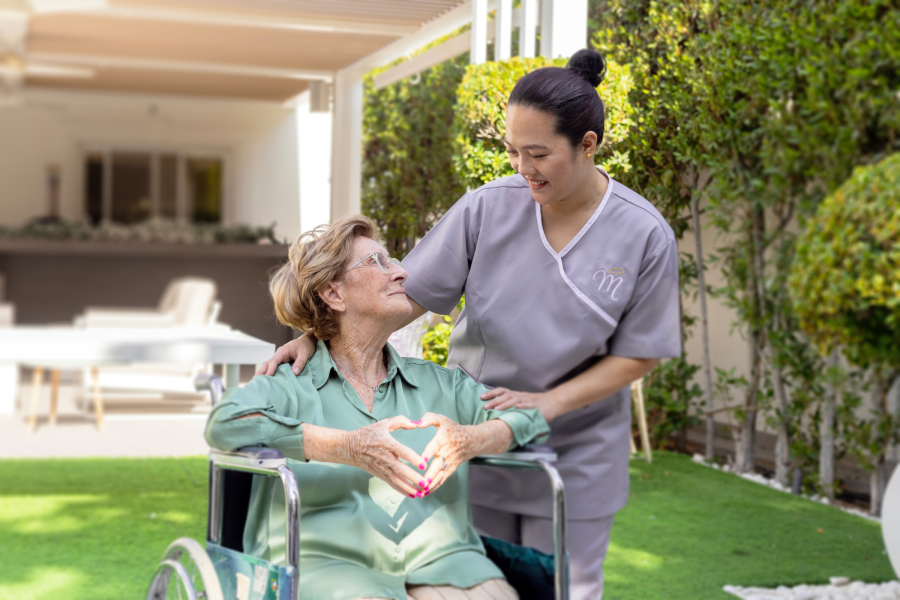
Helping aging people requires patience and heart. Great teams gain deep knowledge to support daily needs, keep environments safe, and foster positive moods. Workers learn how to handle medical tasks, manage tricky behavior, and provide comfort every single day.
Specialized lessons build skills that change lives by offering dignity and respect. Consistent growth keeps these dedicated individuals ready for any challenge found within quality elderly care in UAE.
Daily support skills:
Staff learn to assist with basic tasks like bathing, grooming, and dressing. This help keeps people clean and comfortable. Proper methods for moving individuals from beds to chairs prevent injuries for both sides. Gentle support during meals helps those who struggle with nutrition stay healthy and strong.
Safety and health protocols:
Preventing falls remains a top priority. Teams study how to clear paths and arrange furniture to reduce trip hazards. Lessons on infection control help maintain a clean space. Learning how to monitor vital signs helps identify health changes early. Quick reactions during emergencies save lives and keep everyone secure.
Communication strategies:
Clear talk bridges gaps between staff and residents. Workers learn to speak slowly and use active listening to understand feelings. Eye contact and kind tones build trust. Patience during tough conversations helps people feel heard. When words become hard to find, using simple gestures or expressions maintains a strong bond.
Medication management:
Careful handling of medicine is essential. Staff learn how to organize schedules and track doses accurately. They understand the importance of watching for side effects or reactions. Strict rules help prevent mistakes. Precise record-keeping keeps families informed about health routines and changes in treatment plans.
Memory and cognitive support:
Many people face memory challenges that shift their daily experience. Specialized education teaches staff how to respond to confusion with calm and empathy. Strategies for redirection help soothe frustrations. Creating familiar routines provides comfort for those struggling with memory loss. Staff discover how to focus on abilities rather than limitations.
Ethical care practices:
Respecting privacy is a core value. Teams study how to maintain boundaries while providing personal help. Honesty and transparency build lasting connections with families. Every action follows principles that honor personal dignity. By focusing on kindness and reliable behavior, workers create environments where people feel valued, understood, and truly supported through their later years.